
- English
- Español
- Português
- русский
- Français
- 日本語
- Deutsch
- tiếng Việt
- Italiano
- Nederlands
- ภาษาไทย
- Polski
- 한국어
- Svenska
- magyar
- Malay
- বাংলা ভাষার
- Dansk
- Suomi
- हिन्दी
- Pilipino
- Türkçe
- Gaeilge
- العربية
- Indonesia
- Norsk
- تمل
- český
- ελληνικά
- український
- Javanese
- فارسی
- தமிழ்
- తెలుగు
- नेपाली
- Burmese
- български
- ລາວ
- Latine
- Қазақша
- Euskal
- Azərbaycan
- Slovenský jazyk
- Македонски
- Lietuvos
- Eesti Keel
- Română
- Slovenski
- मराठी
- Srpski језик

How Does a Plasma Bottle Enhance Safety and Efficiency?
Article Summary
Plasma bottles are innovative devices that utilize high-voltage plasma technology to store, contain, and safely release electrical energy. They are widely used in scientific research, industrial applications, and educational demonstrations. Understanding plasma bottle functionality, proper handling, and selection criteria is essential for businesses and institutions seeking reliable performance, enhanced safety, and efficiency.
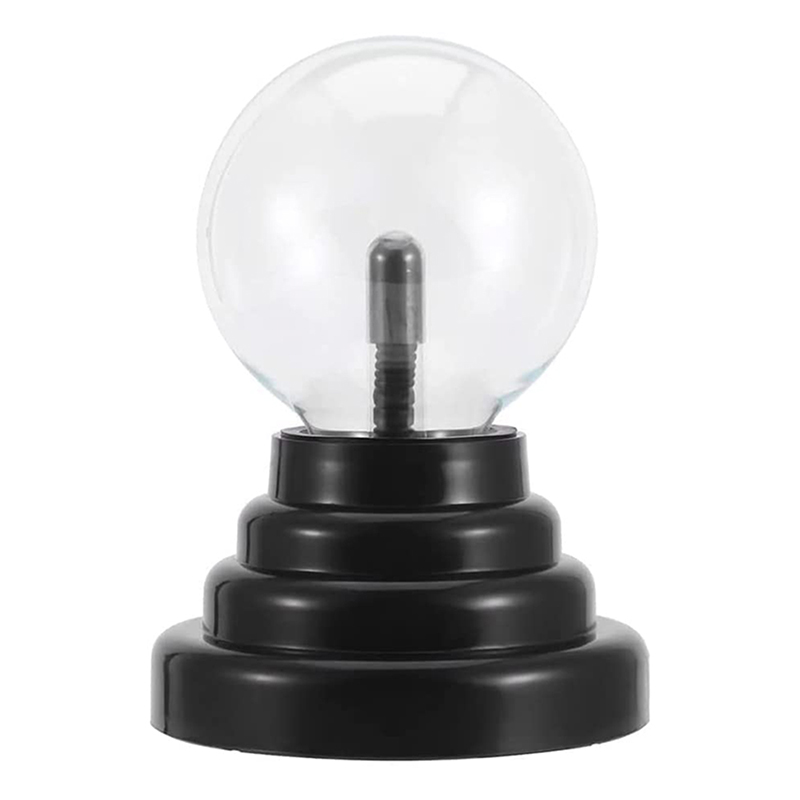
Table of Contents
- Plasma Bottle Overview
- Common Customer Challenges
- Main Types of Plasma Bottles
- How to Choose the Right Plasma Bottle
- Operational Considerations and Safety
- Plasma Bottle Comparison Table
- Maintenance and Longevity
- Applications and Use Cases
- Frequently Asked Questions
- Conclusion and Contact Us
Plasma Bottle Overview
A plasma bottle is a sealed device that generates plasma, a highly ionized gas, using high-voltage electrical discharge. The plasma forms visually striking filaments and provides a controlled environment to demonstrate electrical phenomena. Plasma bottles serve educational, experimental, and industrial purposes. REDIGLE plasma bottles are engineered to maximize safety, visual clarity, and energy efficiency while minimizing operational risks.
Modern plasma bottles are constructed with durable glass or polymer casings, high-voltage transformers, and precise control circuits. This ensures reliable performance, stable plasma generation, and reduced risk of electrical hazards.
Common Customer Challenges
Users of plasma bottles often encounter challenges that can impact safety and performance. Recognizing these challenges is critical for effective utilization.
- Unstable plasma generation leading to inconsistent display
- Excessive heat during prolonged operation
- Breakage due to fragile glass or improper handling
- Electrical safety hazards without proper insulation
- Energy inefficiency from poorly designed circuits
REDIGLE addresses these issues with robust designs, insulated high-voltage systems, and tested operational protocols.
Main Types of Plasma Bottles
Plasma bottles vary by size, voltage, and intended use. Choosing the correct type ensures optimal performance.
- Educational Plasma Bottles – Low voltage, visually engaging, safe for classroom demonstrations
- Industrial Plasma Bottles – High voltage, designed for testing and research applications
- Decorative Plasma Bottles – Medium voltage, used for ambient lighting or interactive displays
- Custom Plasma Bottles – Tailored specifications for unique research or industrial requirements
How to Choose the Right Plasma Bottle
Selecting a plasma bottle requires consideration of several technical and operational factors:
- Voltage and current requirements based on intended application
- Durability of the bottle casing and resistance to thermal stress
- Size and visual effect requirements for demonstration or display
- Safety certifications and insulation standards
- Maintenance and operational convenience
REDIGLE provides consultation and specification matching to help customers select plasma bottles that align with their operational goals.
Operational Considerations and Safety
Proper operation of plasma bottles is crucial for safety and longevity. Key considerations include:
- Maintaining a safe distance from the plasma surface
- Limiting continuous operation to prevent overheating
- Ensuring the device is placed on non-conductive surfaces
- Regular inspection of high-voltage insulation
- Following manufacturer guidelines for electrical load and environmental conditions
REDIGLE plasma bottles include integrated safety features such as current-limiting circuits and impact-resistant housings to reduce operational risk.
Plasma Bottle Comparison Table
| Type | Voltage Range | Primary Use | Safety Features |
|---|---|---|---|
| Educational | Low (1–5 kV) | Classroom, Demonstrations | Insulated, Low Current |
| Industrial | High (10–30 kV) | Testing, Research | Impact-resistant, Current Control |
| Decorative | Medium (5–15 kV) | Lighting, Visual Displays | Thermal protection, Low EMF |
| Custom | Variable | Special Applications | Customized Safety Solutions |
Maintenance and Longevity
Extending the lifespan of a plasma bottle requires proper maintenance practices:
- Periodic cleaning of the exterior glass or casing
- Inspecting electrical connections for wear or corrosion
- Replacing transformers or circuit components as needed
- Storing the device in stable temperature conditions
- Avoiding direct exposure to moisture or high humidity
REDIGLE provides guidance and replacement parts to maintain optimal performance over the product lifetime.
Applications and Use Cases
Plasma bottles are versatile and can be applied in multiple scenarios:
- Educational science demonstrations
- Industrial research on plasma dynamics
- Decorative ambient lighting and art installations
- Interactive museum exhibits
- Training for electrical safety and plasma handling
Frequently Asked Questions
Is a plasma bottle safe for children?
Educational plasma bottles are designed with low voltage and insulated systems to minimize risk under supervision.
Can plasma bottles be used continuously?
Continuous operation should be limited to prevent overheating; consult the manufacturer’s guidelines.
Do all plasma bottles require special electrical outlets?
Most are compatible with standard outlets, but industrial models may require higher voltage or specialized equipment.
How do I clean a plasma bottle?
Use a soft, dry cloth to clean the exterior; avoid moisture contact with electrical components.
Conclusion and Contact Us
Plasma bottles offer visually compelling, educational, and industrial applications while enhancing safety and efficiency when properly selected and operated. By understanding types, operational guidelines, and maintenance requirements, users can maximize performance and reliability.
REDIGLE provides high-quality plasma bottles engineered for safety, performance, and durability. Whether for educational, decorative, or industrial purposes, REDIGLE offers tailored solutions to meet specific needs. For inquiries, product details, or to discuss your project requirements, contact us today and explore how REDIGLE can support your plasma technology applications.
Previous:Happy Construction in 2026