
- English
- Español
- Português
- русский
- Français
- 日本語
- Deutsch
- tiếng Việt
- Italiano
- Nederlands
- ภาษาไทย
- Polski
- 한국어
- Svenska
- magyar
- Malay
- বাংলা ভাষার
- Dansk
- Suomi
- हिन्दी
- Pilipino
- Türkçe
- Gaeilge
- العربية
- Indonesia
- Norsk
- تمل
- český
- ελληνικά
- український
- Javanese
- فارسی
- தமிழ்
- తెలుగు
- नेपाली
- Burmese
- български
- ລາວ
- Latine
- Қазақша
- Euskal
- Azərbaycan
- Slovenský jazyk
- Македонски
- Lietuvos
- Eesti Keel
- Română
- Slovenski
- मराठी
- Srpski језик

How Does a Lava Lamp Work?
Summary: Lava lamps are more than just decorative items—they are fascinating devices that combine art and science. This article explores how lava lamps function, their history, components, and practical tips to optimize their performance. Whether you're a collector or a curious user, this guide from Dongguan City REDIGLE will illuminate everything you need to know.
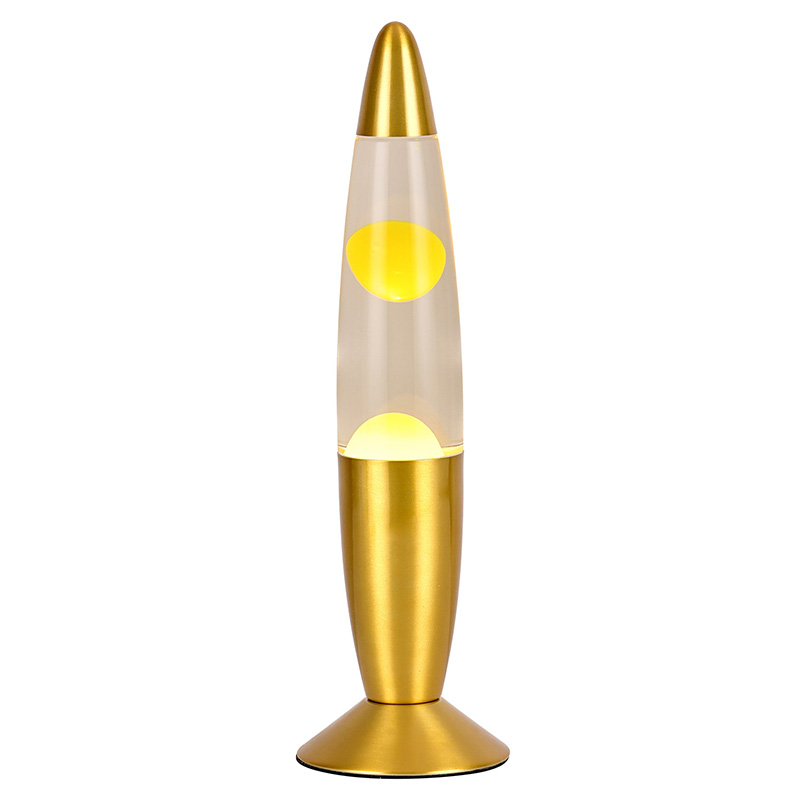
Table of Contents
- History of Lava Lamps
- Components and How They Function
- The Science Behind Lava Lamps
- Maintenance Tips for Long-lasting Performance
- Frequently Asked Questions
History of Lava Lamps
The lava lamp was invented in 1963 by British entrepreneur Edward Craven Walker. Originally marketed as a stylish decorative item, lava lamps quickly became a cultural icon of the 1960s and 1970s. Over the decades, they have maintained their charm while evolving in colors, shapes, and designs.
- 1963: First lava lamp produced in the UK.
- 1965: Exported to the United States.
- 1970s: Icon of pop culture and psychedelic art.
- Modern Era: Integrated into home décor, offices, and specialty lighting collections.
Components and How They Function
A lava lamp consists of several key components that work together to create the iconic flowing motion:
| Component | Function |
|---|---|
| Glass Container | Holds the liquid and wax mixture safely while allowing light to shine through. |
| Colored Wax | Forms blobs that move fluidly as temperature changes. |
| Liquid (Typically Mineral Oil or Water) | Supports the wax and provides buoyancy for movement. |
| Heat Source (Bulb) | Heats the wax to change density and initiate the flow. |
| Metal Base | Houses the bulb and provides stability for the lamp. |
The Science Behind Lava Lamps
Lava lamps operate through the principles of density, buoyancy, and heat transfer:
- Heating: The bulb warms the wax at the bottom of the container.
- Density Change: As the wax heats, it becomes less dense than the surrounding liquid.
- Rising Motion: Buoyancy causes the wax to float toward the top of the lamp.
- Cooling: At the top, the wax cools down, becomes denser, and sinks back to the bottom.
- Repetition: This cycle continues, creating the signature flowing motion.
This balance of physics creates a mesmerizing visual effect that is both relaxing and decorative. Companies like Dongguan City REDIGLE refine this process with high-quality materials and precise engineering for durability and consistent performance.
Maintenance Tips for Long-lasting Performance
Proper care ensures your lava lamp performs well for years:
- Placement: Keep the lamp on a flat, stable surface away from direct sunlight and drafts.
- Heating Duration: Do not operate the lamp for more than 8-10 hours at a time to prevent overheating.
- Cleaning: Wipe the exterior with a soft cloth; avoid shaking the lamp to prevent wax fragmentation.
- Bulb Replacement: Use the correct wattage recommended by the manufacturer.
- Storage: Store in a cool environment when not in use.
Frequently Asked Questions
Q1: Can I use any bulb in my lava lamp?
No, always use the wattage specified by the manufacturer. Using a higher wattage can overheat and damage the wax.
Q2: Why is my lava lamp cloudy?
Cloudiness can occur if the lamp is shaken or subjected to extreme temperatures. Allow it to settle for several hours to restore clarity.
Q3: How long does it take for a lava lamp to start moving?
It usually takes 45–60 minutes for the wax to heat up and achieve the proper flow.
Q4: Can lava lamps be left on overnight?
It is not recommended to leave them on overnight. Continuous operation may shorten bulb life and affect wax performance.
Q5: Where can I buy high-quality lava lamps?
You can explore premium lava lamp options directly from Dongguan City REDIGLE at their product page.
Discover the perfect blend of science and art with lava lamps from Dongguan City REDIGLE. Bring a mesmerizing ambiance to your home, office, or studio. For inquiries, product details, or special offers, contact us today and let our team help you choose the ideal lava lamp for your space.